
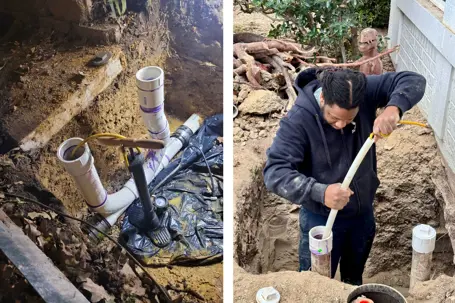
Estimated reading time: 5 to 6 minutes.
Key Takeaways:
- Foundation repair moves soil, and the pipes beneath your slab move with it, putting stress on sewer lines, water lines, and pipe joints.
- Hydrostatic testing before and after foundation work documents your system's condition at each stage, giving you a clear record if problems surface later.
- Hydrostatic testing, water pressure testing, and sewer camera inspection each catch different types of post-repair damage that the others alone won't find.
- Plumbing problems from foundation work often take six months or longer to appear, so a follow-up inspection at that mark catches issues before they escalate.
If your home needs foundation repair, or the work is already done, the next question is: What does this mean for your plumbing?
Foundation repair shifts the soil under your home, and the pipes running through that soil move with it. That movement puts stress on your sewer lines and water lines.
But the thing is, plumbing damage from foundation work doesn't always show up right away. Problems can take weeks or months to surface, long after the foundation crew has left.
ABC Plumbing helps homeowners in Fort Worth and nearby areas with plumbing problems, including those that follow foundation repair. This guide covers which plumbing tests matter after foundation work, when to schedule them, and what warning signs to watch for in the months ahead.
How Foundation Repairs Put Stress on Your Pipes
Foundation repair involves lifting, leveling, or stabilizing a structure settled unevenly into the ground. The process moves soil, and your plumbing sits inside or beneath the affected area. Even a controlled, well-executed repair creates pipe movement.
Most homes in the Fort Worth area sit on slab foundations, which means your sewer and water lines run directly beneath the concrete. When that slab shifts, the pipes underneath move with it.
The stress shows up in several ways:
- Joint separation
- Cracked pipes
- Low spots in sewer lines
These can lead to decreased pressure, increase the risk of leaks, and cause damage to your plumbing system and newly repaired foundation. Your home will continue to settle in the weeks and months following the repair, which means new issues can pop up when you’re least expecting them.
What Plumbing Tests You’ll Need Before and After Foundation Work
Before foundation work starts, and again after it completes, you need a plumber who runs the right tests and reads the results accurately.
The plumbing tests after foundation repair you’ll need to complete include:
- Hydrostatic Testing: A plumber seals and pressure-tests your sewer system to check for active leaks before and after foundation repairs, giving you a documented record of your system's condition at each stage.
- Water Pressure Testing: Your water lines get tested to confirm pressure holds throughout the system and identify any stress points the foundation work introduced.
- Sewer Camera Inspection: A camera runs through your sewer line to locate bellies (low spots where waste pools and causes slow draining) and breaks that pressure testing alone won't always catch.
These services work together to give you a complete picture of your plumbing at every stage of the process, from the first test before work starts to the follow-up months after.
What Is a Hydrostatic Test?
A hydrostatic test is the standard method plumbers use to check sewer lines for leaks before and after foundation repairs. The test works by sealing the sewer system and filling the line with water to confirm pressure holds.
If the level drops, water escapes somewhere in the line, and your foundation company needs to know before work begins.
How the Hydrostatic Testing Process Works
The test follows a consistent sequence, whether the inspection runs before or after your foundation repair. Each step builds toward a clear, documented picture of where your sewer system stands.
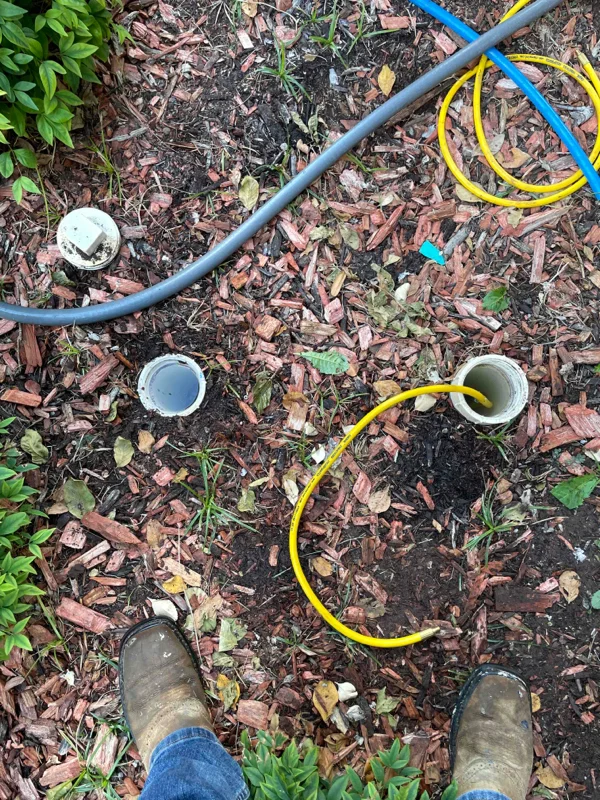 Here’s what the test looks like:
- Video Camera Inspection: The plumber runs a camera through your sewer line first to check for visible signs of damage. If the inspection shows a leak or a concern, the hydrostatic test moves forward from there.
- Fill the System With Water: Water fills the sewer system through a hose or fixture until the line reaches capacity.
- Monitor the Water Level: The plumber watches the water level or pressure gauge over a set period, typically 15 to 30 minutes.
- Read the Results: If the level holds, the system passes. If the level drops, water escapes somewhere in the line.
- Investigate Any Drop: When pressure drops, a sewer camera inspection identifies the exact location of the leak before any further work proceeds.
A passing result before foundation work begins gives your plumber and your foundation company a shared, documented baseline. A passing result after the repair confirms your sewer system came through the process intact.
The Common Problem with Post-Foundation Repair Testing
While foundation companies require this test before work starts to establish a clean baseline for your plumbing's condition, they’ll run it again after the repair to confirm no new damage occurred during the process. Both results get documented, giving you a clear record at each stage.
However, the post-repair test confirms your system's condition on the day of the inspection. Settling continues after foundation work ends, and new stress builds on your pipes gradually in the months afterward.
This is why scheduling another test at the first sign of a leak, or at the six-month mark, gives you a clear picture of where your system stands.
Why Plumbing Problems Don't Always Show Up Right Away
Passing a post-repair hydrostatic test doesn't mean you are in the clear. Your home continues to settle after leveling or stabilization, and ongoing movement stresses your pipes further.
Plumbing problems from foundation work take six months or longer to appear in many cases. A pipe holding pressure right after the repair will develop a slow leak or a structural issue as the soil continues to shift beneath your home.
Slow draining, gurgling pipes, or wet spots in your yard are all signs worth taking seriously in the months following a repair. Getting a sewer camera inspection at that six-month mark gives you a clear answer about what is happening in your lines before a small issue becomes a major one.
What Happens If Your Hydrostatic Test Fails?
A failed test isn't the worst outcome. If pressure drops during the inspection, it tells your plumber and your foundation company exactly what condition your sewer system was in before work started, or what changed once it finished. That documented result protects you in either direction.
From there, a plumber will run a sewer camera inspection to locate the exact source of the problem. Whether the line shows a belly, a crack, or a joint separation, the camera identifies the issue before any repair work begins.
Schedule a Hydrostatic Test in Fort Worth, TX
Foundation repairs are stressful enough without worrying whether your plumbing will hold up through the process. Getting tested before the repair establishes your baseline, and following up at the six-month mark confirms your system held up as your home settled.
ABC Plumbing can handle your plumbing inspection and deliver any relevant tests, including hydrostatic testing, water pressure tests, and sewer camera inspection. If something is wrong, we’ll also offer clean recommendations and professional service to solve problems before they become major headaches.
Our licensed and insured plumbers have served homeowners across Fort Worth, TX, and the surrounding area, including Watauga, Southlake, and Colleyville, since 1991.
Don't wait for a backup or a rising water bill to find out something shifted. Call us at (817) 854-4007 or contact us online to schedule your plumbing test or request an inspection today.